Essential Canine First Aid Techniques Every Dog Owner Should Know
Knowing canine first aid is an essential skill for every dog owner in the UK. Whether you’re at home, out in the countryside, or simply on your daily walk, unexpected situations like choking, injuries, or heatstroke can happen at any time. Being prepared doesn’t just give you peace of mind, it could genuinely save your dog’s life.
In this blog, I’ll walk through some of the most important first aid techniques every dog owner should feel confident with, so you can act quickly when it matters most.
Stay Calm and Assess the Situation
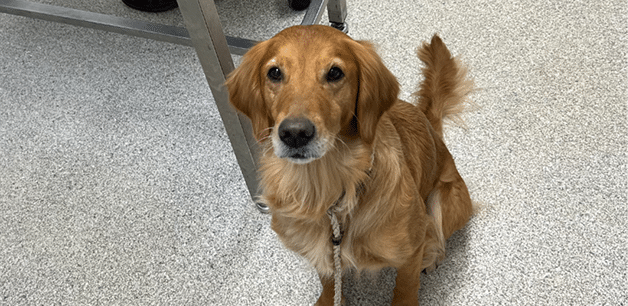
As dog owners, we all know how much our pets mean to us, so seeing them suddenly hurt or unwell can feel overwhelming. But in those first moments, staying calm is one of the most important things you can do.
Before jumping in, take a second to look around. Is the environment safe? Are there any immediate dangers like traffic, other animals, or hazards nearby? Once you’re sure it’s safe to approach, move slowly and carefully and ensure the dog is on a lead. Even the gentlest dog may react unpredictably if they’re frightened or in pain, such as biting or running away.
It’s always a good idea to contact your vet as soon as possible. They can guide you on what to do next while you begin basic first aid.
Checking Your Dogs Vital Signs
Understanding what’s normal for your dog can make it much easier to recognise when something isn’t right. In an emergency, checking their breathing, responsiveness, and overall condition can give you valuable information to pass on to your vet.
Look for steady breathing and observe whether your dog is alert or unresponsive. Their gums are also a useful indicator – healthy gums should be pink, while very pale, blue, or white gums can signal something more serious, such as shock. If you’re able to, taking note of their temperature (which typically sits between 38–39.2°C) can also be helpful.
Even small observations can make a big difference when it comes to getting the right treatment quickly.
Dealing with Cuts and Bleeding
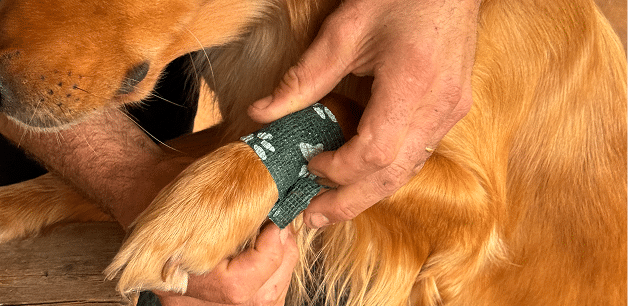
Minor injuries, particularly to paws, are one of the most common issues dog owners face. While they can look alarming, knowing how to respond can help you manage the situation calmly.
Start by gently checking the area for any debris and rinsing the wound with clean water. If there’s something embedded that you can’t easily remove, it’s best to leave it and contact your vet straight away. Applying firm, steady pressure with a clean cloth or gauze will usually help slow the bleeding. If blood soaks through, avoid removing the original layer and simply add more on top and continue applying pressure.
If the bleeding doesn’t ease or seems severe, veterinary care should be sought urgently.
What to do if your dog is choking?
Choking is one of the more frightening situations to deal with, and it can escalate quickly. If your dog is coughing but still able to breathe, it’s often best to let them try to clear the blockage themselves. However, if they’re struggling to breathe or showing signs of distress, you’ll need to act quickly and seek veterinary support as soon as possible.
If safe to do so, carefully open their mouth and check for any visible object. If you can see it and it’s easy to reach, you may be able to remove it gently, but it’s important not to push it further down.
In more serious situations, there are a number of first aid techniques that may help dislodge an obstruction. These include methods often taught in canine first aid training, such as gently “milking” the throat for bulky items, briefly lifting a dog by their hind legs to encourage the object to move, or using coupage – where the chest is struck gently with cupped hands to help shift the blockage. More forceful techniques, such as abdominal thrusts, should be approached with caution and are generally only recommended if the dog has become unresponsive. If your dog does lose consciousness, you should be prepared to begin CPR while arranging immediate veterinary care.
Even if the obstruction is cleared, it’s still important to have your dog checked by a vet to rule out any internal damage.
Recognising and managing heatstress and heatstroke
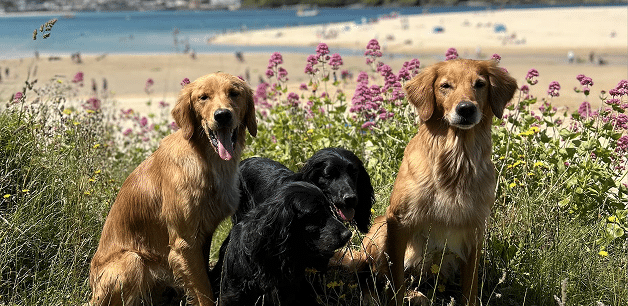
Dogs are far more sensitive to heat than we are, and heatstroke can become life-threatening very quickly. On warmer days, it’s important to stay alert to the early signs, which can include:
Heat stress
Dark red tacky gums
Agitation
Excessive panting
Heat stroke
Vomiting
Disorientation/confusion
Seizures
Glazed eyes
Collapse
Cyanosis (blue/purple tinge to gums, tongue, skin)
Bloody diarrhoea
If you suspect heatstroke, the priority is to cool your dog down gradually. Move them to a shaded or cool area, pour cool (not cold) water over their body, and offer small amounts of water to drink. Creating a calm environment will also help prevent further stress.
At the same time, you should contact your vet immediately, as heatstroke always requires professional care.
Handling Seizures
Witnessing your dog have a seizure can be incredibly distressing, especially if it’s your first time experiencing it. While it may feel instinctive to intervene, the safest thing you can do is create a calm, hazard-free space around them.
Avoid restraining your dog, but gently move any nearby objects that could cause injury. Timing the seizure is important, as this information helps your vet assess the situation. If it lasts longer than a few minutes or happens repeatedly, you should seek urgent veterinary advice.
After the seizure, your dog may appear confused or disoriented. Give them space, keep things quiet, and allow them time to recover.
Suspected poisoning
Poisoning is one of the most time-sensitive emergencies a dog owner can face, and it often happens more easily than expected. From certain foods to plants and household substances, the risks are varied, which makes awareness especially important.
The most crucial principle is simple: know what is toxic, and never take a “wait and see” approach. If you suspect your dog has ingested something harmful, acting quickly can make a critical difference to the outcome.
Try to identify what your dog may have eaten and remove any remaining substance from their reach. Avoid attempting home remedies or inducing vomiting unless you have been explicitly advised to do so by a veterinary professional, as this can sometimes cause further harm. Your first step should always be to contact your vet immediately. If you’re unable to reach them, the Animal Poison Line offers 24-hour advice and can provide urgent guidance on the next steps to take.
Even if your dog appears well initially, some toxins can take time to show symptoms. Seeking professional advice straight away ensures your dog receives the safest and most appropriate care without delay.
Being Prepared Makes All the Difference
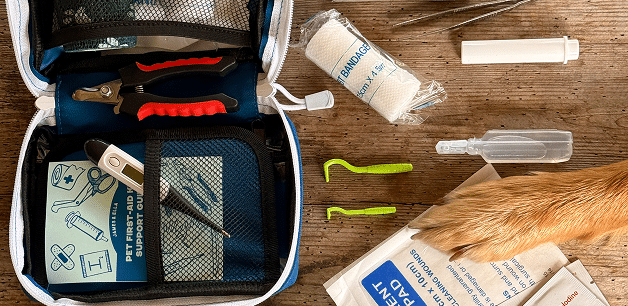
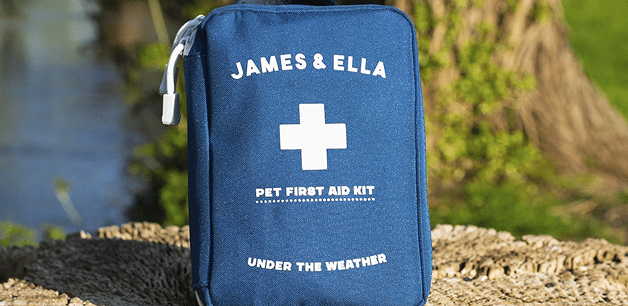
One of the simplest ways to feel more confident in an emergency is to be prepared in advance. Having a well-stocked dog first aid kit at home or in your bag on walks means you’re not scrambling for supplies when you need them most.
That’s exactly why we’re currently preparing to launch our James & Ella Pet First Aid Kits, designed specifically for everyday dog owners. Each kit includes carefully selected essentials to help you handle common situations quickly and calmly, whether you’re at home or out and about.
If you’d like to be one of the first to get your hands on one, you can join our presale here.
The most important thing to remember
Knowing canine first aid gives you the ability to act quickly and confidently when your dog needs you most. However, it’s important to remember that first aid is only the first step and not a replacement for professional veterinary care.
For owners who would like to go beyond the essentials, investing in professional training can be an excellent next step. A reputable canine first aid course, such as this one hosted by London-based dog trainer Adam Kennedy, can help build the confidence to respond calmly and effectively in an emergency.
If something doesn’t feel right, trust your instincts and contact your vet. It’s always better to be cautious when it comes to your dog’s health.
Until next time,
James x